Kitchen Exhaust Systems That Pass Inspections
Vent Hood Commercial Cleaning Services in Dallas–Fort Worth for facilities facing grease buildup and fire code compliance requirements
Commercial kitchen exhaust systems accumulate grease, carbon deposits, and combustible residue that create fire hazards and violate health codes. Moxie professional kleaning service LLC handles vent hood commercial cleaning services for restaurants, school districts, and medical facilities throughout the Dallas–Fort Worth and Denton areas. The service addresses the layers of grease that standard daily cleaning cannot reach, restoring airflow and reducing fire risk in systems that operate under continuous heat exposure.
This cleaning process involves disassembling accessible hood components, degreasing exhaust fans and ductwork, and removing the buildup that restricts ventilation and creates ignition points. Restaurants face particularly aggressive accumulation due to high-volume cooking, while school cafeterias and hospital kitchens must maintain strict hygiene standards that extend beyond visible surfaces to the entire exhaust pathway.
Schedule a facility assessment to evaluate current grease accumulation and establish a compliant cleaning schedule.
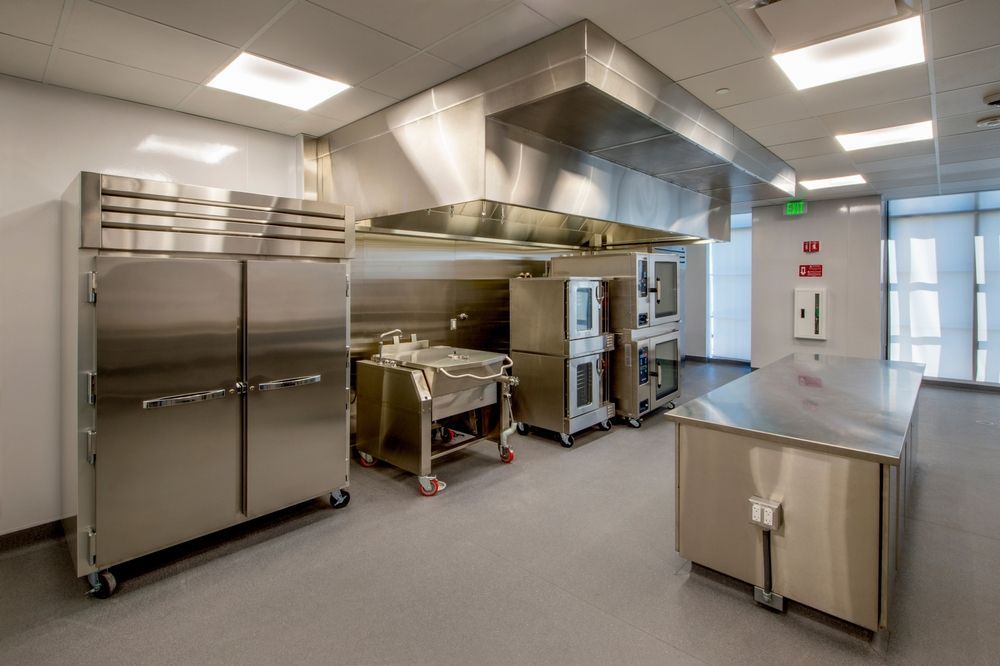
The process begins with covering cooking equipment and floors to contain runoff, then applying commercial degreasers formulated to break down polymerized grease that has hardened under sustained heat. Technicians scrape duct interiors, clean fan blades, and flush the entire system to remove residue that standard surface wiping leaves intact. The work extends from the hood face through the ductwork to the rooftop exhaust fan, addressing every point where grease can accumulate and ignite.
After completion, you notice improved airflow in the kitchen, reduced odor retention, and visible metal surfaces inside the hood where grease previously coated every panel. Exhaust fans operate more quietly without the imbalance caused by grease-weighted blades, and the system pulls smoke and steam more effectively during peak cooking hours. Fire inspectors can verify clean duct interiors through access panels, confirming compliance with NFPA 96 standards that many insurance policies require.
Cleaning frequency depends on cooking volume and food type—high-volume kitchens using solid fuel or charbroiling require monthly service, while moderate-use facilities may qualify for quarterly schedules. The service includes documentation of cleaning depth and access points inspected, which satisfies both fire marshal requirements and insurance audits that verify ongoing maintenance.
What Proper Exhaust System Cleaning Requires
Questions Before Starting Your Project
Commercial kitchens in Dallas–Fort Worth operate under regulations that require documented exhaust cleaning at intervals based on cooking methods, and understanding the process helps facility managers maintain both safety and compliance.
- What determines how often a vent hood system needs professional cleaning? Cooking volume, fuel type, and food preparation methods dictate the schedule—restaurants using fryers and grills daily typically require monthly cleaning, while school cafeterias with steam-based cooking may extend to quarterly intervals based on grease accumulation rates observed during initial service.
- How does the cleaning process affect kitchen operations? Most services schedule work during closed hours to avoid disrupting meal service, with the process taking three to six hours depending on system size and ductwork length. Kitchens can resume normal operations immediately after completion once surfaces dry and components are reassembled.
- What parts of the exhaust system get cleaned during service? The work covers hood interiors, baffle filters, exhaust plenum, ductwork accessible through cleanout panels, exhaust fan housing, and rooftop fan blades. Technicians document the cleaning depth reached in ductwork, which inspectors verify through access points during fire code inspections.
- Why does grease buildup vary between different types of commercial kitchens? Restaurants with open-flame cooking and high-fat food preparation generate heavier grease vapor that condenses rapidly in ducts, while hospital kitchens with primarily baking and steaming produce lighter residue that accumulates more slowly but still requires removal to maintain ventilation efficiency.
- What documentation do you receive after cleaning? Service reports include the date of cleaning, areas accessed, cleaning method used, and the name of the technician who performed the work. This documentation satisfies fire marshal inspections and insurance requirements that verify ongoing compliance with exhaust system maintenance standards.
Moxie professional kleaning service LLC provides exhaust system cleaning that meets the fire code and ventilation requirements specific to restaurant, school, and medical facility kitchens in the Dallas–Fort Worth area. Request a compliance evaluation to determine your facility's required cleaning frequency and schedule your first service.